
Nasty Fast Parts • Tech Tool • v84
Jetting Calculator v84
Enter what is actually in your carb now, add your machine and riding conditions, then see how your current jetting compares with the target. Press Tune It to build a recommended setup and compare the before-and-after curves.
Saved Builds
The build name is editable above. Rename Selected updates an existing save without changing its settings. JSON export uses a versioned build format for future NFP calculators.
Autosave is on. After you name a build, changes save as “Build Name - autosave”.
Machine, Carb & Current Jetting
Enter the parts and jetting that are physically in the machine right now. Lock any carb parts you do not want Tune It to change.
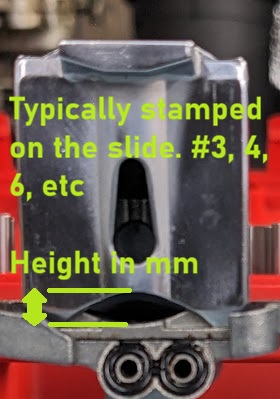
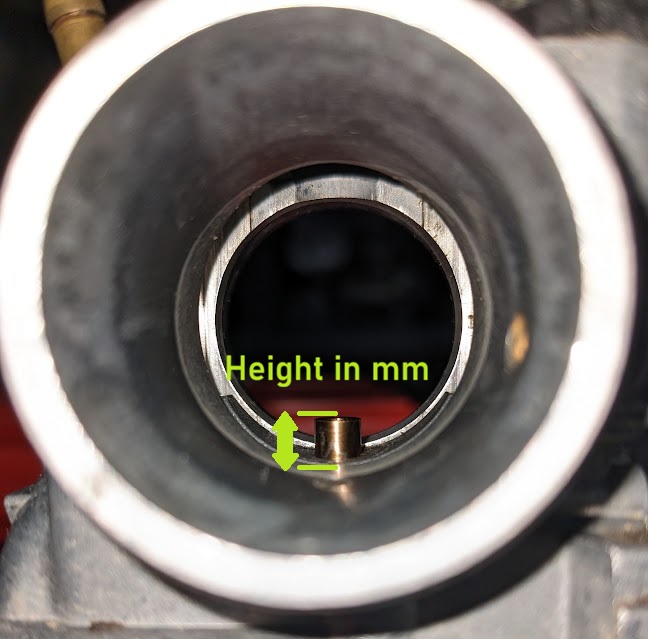
Installed parts: Check Lock beside any carb part you already have and want to keep. Pilot, slide, needle, and needle jet / emulsion tube are locked by default. Tune It works around locked parts.
Your Current Jetting
Enter your current jetting and lock the components you don't want to change.
Engine Mods & Airflow
Engine, intake, exhaust and airflow changes that affect fuel demand.
Between carb and filter
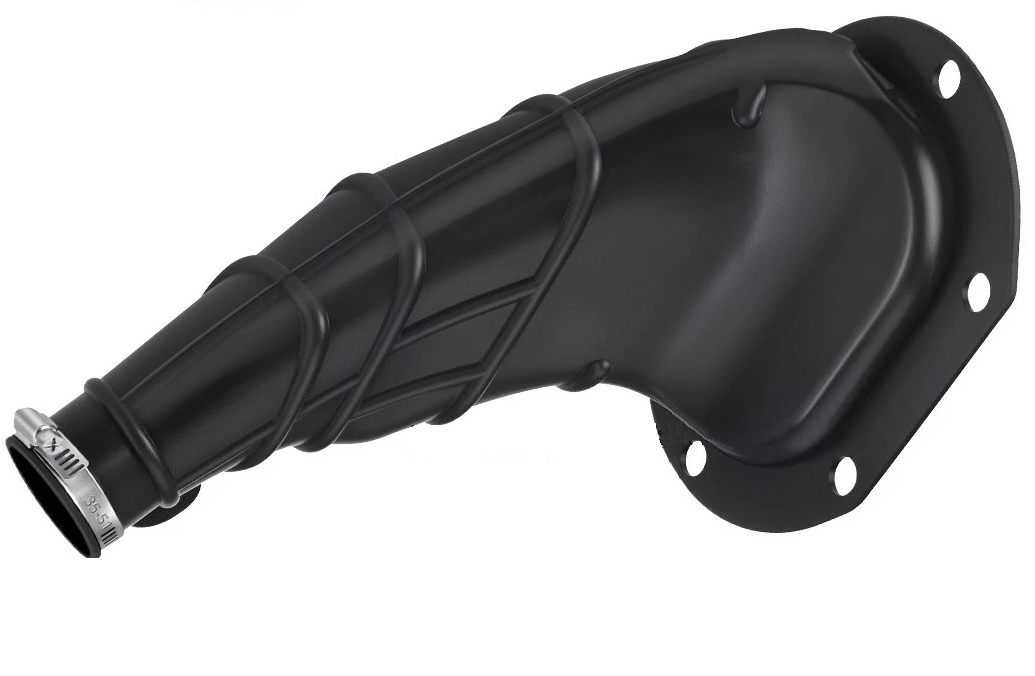
On a stock Blaster, removing the OEM airbox lid with no prefilter often calls for 1–2 main-jet sizes richer. Re-tune and verify under load.
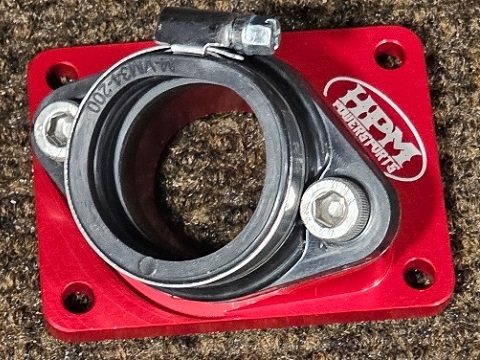
Target AFR: 12.30:1 · gasoline baseline 12.80:1 · 10% ethanol
Environment
Current riding conditions used to correct fuel demand.
Jetting Analysis
See the jetting curve first, then compare your current setup with the tuned recommendation below.
Current SetupIdeal 1.00Near-target band
Workbook model loaded.
Tune It & Compare leaves your current jetting untouched. Locked parts stay exactly as entered; unlocked parts are free to use the best setting the model finds. The recommendation appears separately as the second chart line.
PWK model: Baseline-relative 1/4-throttle calibration, not field-verified AFR. The needle-clip effect is an estimated geometric response until dyno/track-tested. Validate jetting with actual engine testing.
Starting point only: This recommendation may be off. Confirm final jetting with a plug chop and testing on the actual machine under load. Air leaks, float level, fuel flow, ignition problems, engine condition, oil choice and fuel composition can all change what the engine needs.
| Current | ||||||||
|---|---|---|---|---|---|---|---|---|
| Tuned | ||||||||
| Updated | ||||||||
1/4-Throttle Tuning
Checking pilot, air screw, slide and needle overlap…
How to read the chart: Keihin PWK uses a factory-reference relative index, NOT actual AFR or lambda. 1.00 is a comparison baseline, not proof of a correct mixture. 1.00 is the target line. Above 1.00 trends richer; below 1.00 trends leaner. The chart covers the workbook's 1/8-throttle through WOT circuit model. Known-good field anchors pull the model toward the proven tune but do not force a perfect 1.00 line. Pipes without direct anchors use wider logic-based main-jet estimates from RPM and power-delivery family; those estimates only lightly correct the underlying math.